
Preventing Frozen Pipes This Winter: Practical Tips and Local Solutions
When water inside a pipe freezes it expands, creating pressure that can crack or burst the line and lead to costly water damage. This guide breaks down why pipes freeze, where to look for weak spots, do‑it‑yourself prevention steps, and when to call for professional winterization or emergency repair. You’ll find clear, actionable advice on insulation choices, outdoor faucet winterizing, smart leak detection, and safe thawing techniques — all aimed at lowering freeze risk for homes and commercial properties. We also explain when a pro is needed, what to expect from winterization and emergency repairs, and which Mid‑Shore Maryland conditions increase freeze risk during cold snaps. Read on for step‑by‑step checklists, comparison tables of insulation and detection options, and regional recommendations to keep plumbing working from late fall through early spring. Combining straightforward DIY steps with targeted professional plumbing services will cut the chance of freeze‑related failures and the repair bills that follow.
What Causes Pipes to Freeze and How to Spot the Risk
Pipes freeze when heat leaves the pipe faster than it can be replaced, lowering the water temperature to the freezing point. Cold air, wind, long exposure, and poor insulation speed the process. The basic physics is simple: cold reduces the pipe’s temperature, conduction pulls heat out of moving water, and standing water in low‑flow areas freezes first. Spotting risk early lets you target fixes before pressure builds and a rupture occurs. That’s why insulating exposed runs, sealing drafts, and keeping minimal flow during deep cold are so effective. The next section looks at the temperatures and timeframes that actually create freeze danger.
At What Temperature Do Pipes Usually Freeze?
Pipes can start freezing once air temperatures fall below 32°F (0°C), but actual risk depends on exposure, wind, and how long the cold lasts. In unheated crawlspaces, attics, or exterior wall cavities, pipes may freeze even when the outdoor thermometer is only slightly below freezing because reduced insulation plus wind chill accelerate heat loss. A short, sharp cold snap can freeze thin copper or plastic lines in a few hours; well‑insulated pipes can resist freezing much longer. In practice: be proactive when forecasts show sustained sub‑freezing temps or strong winds aimed at exposed plumbing.
Which Parts of Your Home Are Most at Risk?
The most vulnerable spots are exterior walls, unheated crawlspaces, attics, garages, and any exposed outdoor spigots or irrigation lines — places with less thermal protection and more cold air exposure. Plumbing routed through exterior wall studs or near poorly sealed vents cools faster than interior runs. Pipes in unheated garages or outbuildings often lack adequate insulation. A quick inspection for cold drafts, frost on walls, or low temperatures in utility spaces will reveal areas at higher risk. Fixing these weak spots with insulation and air sealing cuts exposure and reduces the chance of freeze damage.
- Key vulnerable areas to check: Plumbing runs in exterior walls and wall‑mounted fixtures.Crawlspaces and unconditioned basements with exposed piping.Garages, attics, and utility closets that are unheated.Outdoor spigots, hose bibs, and irrigation supply lines.
Use this checklist as the basis for the DIY steps below — they address these exact problem spots.
Best DIY Methods to Prevent Frozen Pipes
Good DIY prevention rests on three defenses: reduce exposure, add thermal resistance, and keep water moving or heated when needed. Common steps include insulating exposed pipe runs, sealing drafts where cold air reaches pipes, disconnecting and draining outdoor hoses, and keeping indoor temperatures steady during cold spells. Small actions — letting a faucet drip in extreme cold or opening under‑sink cabinet doors — work alongside physical upgrades to slow heat loss and delay freezing. Below are focused explanations of insulation and outdoor faucet winterizing that most homeowners can handle before winter arrives.
How Pipe Insulation Helps Prevent Freezing
Insulation slows conductive heat loss by creating a thermal barrier between the pipe surface and cold air, so water takes longer to reach freezing. Insulation types trade off R‑value, flexibility, and installation ease: foam sleeves slip over straight runs quickly, fiberglass wrap fits irregular shapes, and electric heat cable provides active protection where passive insulation isn’t enough. Choose the method based on exposure and location: foam sleeves for indoor straight runs, fiberglass for larger or odd runs, and heat tape for very exposed or critical lines. Install insulation snugly with no gaps, and pair it with household heating or passive warming to add layers of protection.
This table compares common insulation options to help you pick the right approach for each exposed section.
| Insulation Type | R‑value & Best Use | Safety / Notes |
|---|---|---|
| Foam pipe sleeve | Moderate R‑value; best for indoor straight runs | Quick DIY install; seal seams with tape |
| Fiberglass wrap | Higher thermal resistance; good for irregular or larger runs | Needs an outer jacket to prevent moisture issues |
| Heat tape / heat cable | Active protection for severe exposure or critical lines | Requires correct installation and power; follow manufacturer instructions |
Passive insulation covers many indoor needs; active heat trace is for the most exposed or mission‑critical pipes. Proper selection and installation cut freeze risk substantially — when insulation is marginal, consider professional winterization.
How to Winterize Outdoor Faucets and Hoses
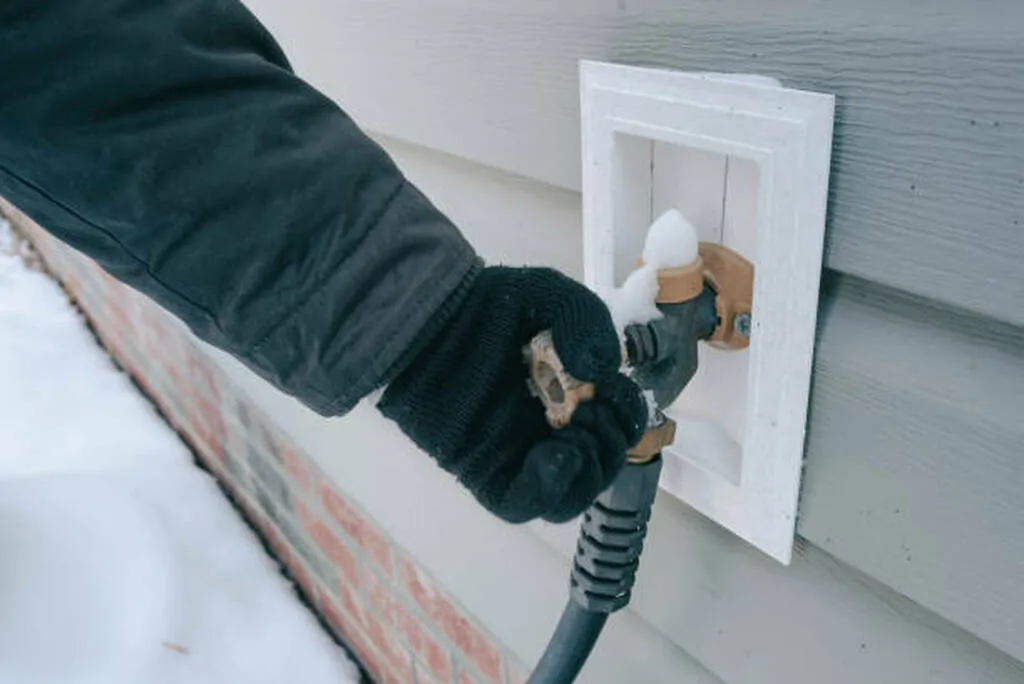
Winterizing outdoor faucets removes water from exposed spigots and supply lines, eliminating common freeze points. Start by disconnecting garden hoses and draining them, then close any interior shut‑off that feeds the exterior spigot and open the spigot to drain remaining water. Use insulated faucet covers over exterior spigots for added protection, and follow manufacturer instructions to drain or blow out irrigation systems. If you don’t have accessible shut‑offs or your irrigation is complex, schedule a furnace repair to ensure buried components and valves are fully protected.
Steps to winterize outdoor faucets:
- Disconnect and drain hoses; store them inside.
- Shut off interior feed valves (if present) and open the exterior spigot to drain.
- Install insulated faucet covers on exterior spigots.
- Drain or blow out irrigation lines according to system instructions.
These steps remove standing water from exterior plumbing and significantly lower freeze risk and the chance of burst pipes.
When to Call a Pro for Winterization or Emergency Repair
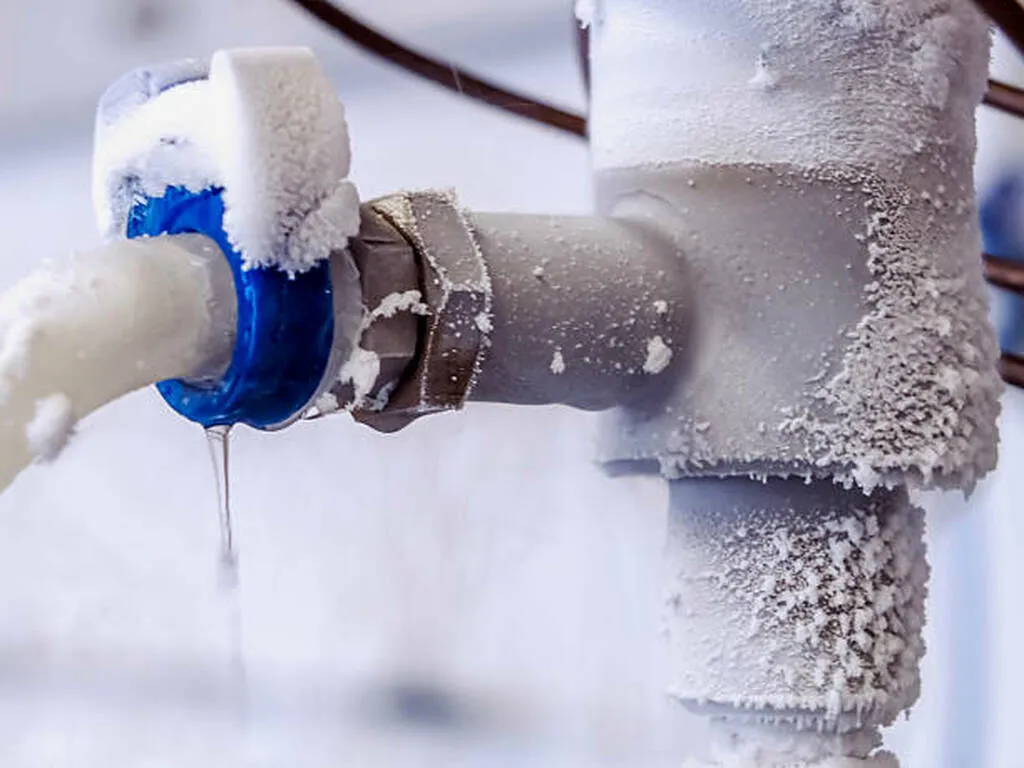
Call a professional when the risk or damage exceeds DIY limits — pros bring tools, diagnostics, and permanent repairs that go beyond homeowner fixes. You should call if pipes remain frozen with no flow after thawing attempts, if you see bulging along a run, if there’s active leaking or water pooling, or when critical systems (main supply or commercial lines) are at risk. Professionals provide thorough inspections, targeted fixes to prevent repeat failures, and emergency response to limit water damage and restoration costs. The table below summarizes common professional services and expected outcomes.
| Professional Service | Typical Scope | Expected Outcome |
|---|---|---|
| Winterization inspection | Assessment of exposed runs, shut‑offs, insulation gaps | Identifies vulnerabilities and prioritized fixes |
| Pipe wrapping & heat trace install | Install passive insulation and active heat cable on critical lines | Reduces repeat freeze risk and provides reliable protection |
| Emergency thawing & burst repair | Rapid thaw, leak detection, temporary containment, permanent repairs | Restores service quickly and prevents structural escalation |
Refer to these service types when deciding whether to invest in prevention or call for emergency help. Below we outline what a typical winterization visit includes.
What Happens During a Professional Winterization Visit?
A pro starts with a full inspection to locate vulnerable runs, check existing insulation, and identify interior shut‑offs for exterior lines. From there they prioritize work: add high‑density pipe insulation, install or verify heat trace on critical runs, winterize irrigation and outdoor spigots, seal drafts in utility spaces, and advise on thermostat settings during cold spells. Technicians document findings and recommend follow‑up or scheduled maintenance to keep protection in place season after season. A professional winterization treats root causes instead of temporary fixes.
How Emergency Frozen Pipe Repair Works
Emergency repair begins with a fast assessment to decide if thawing is safe and whether a leak or burst is present. Improper thawing can make damage worse, so trained technicians use controlled heat and leak‑detection tools to thaw frozen sections while watching for cracks or moisture. If they find a burst, they provide temporary containment and then perform a permanent coupling or section replacement. Teams often coordinate with restoration services for water mitigation and supply documentation for insurance claims. A prompt professional response reduces water exposure time and lowers long‑term repair and structural costs.
Mid‑Shore property owners benefit from local providers that offer both seasonal winterization and 24/7 emergency response. Tidewater Heating & Cooling serves the Mid‑Shore area with plumbing, insulation, winterization, and frozen‑pipe emergency repair. Their local weather knowledge plus combined HVAC and plumbing experience helps tailor winterization plans to regional conditions. Property managers and homeowners can request inspections and around‑the‑clock emergency service through Tidewater’s local channels. That local expertise complements homeowner steps by offering priority response and planned preventive services to cut freeze risk and downtime.
How Advanced Technology Helps Prevent Frozen Pipes
New materials and smart systems lift baseline protection by adding early warnings and active prevention that old methods don’t provide. Smart leak detectors use moisture sensors and flow monitoring to alert owners quickly and can work with automatic shut‑offs to stop major loss. Heat trace and heat tape supply targeted temperature control for vulnerable runs. PEX piping is more flexible than rigid options and tolerates freeze expansion better, reducing burst likelihood. Pairing modern materials with monitoring systems builds a more resilient plumbing network. The next sections compare detection options and explain PEX benefits so you can weigh upgrades by risk.
Smart Leak Detection: What It Is and Why It Helps
Smart leak detection systems use moisture sensors, flow meters, and software to spot leaks or unusual usage patterns quickly and notify owners or managers before a small problem becomes a big one. Benefits include early detection of slow leaks, optional integration with automatic shut‑offs, mobile alerts, and usage data that helps identify repeat problem areas. Place sensors near water heaters, under sinks, at sump pumps, and around exposed crawlspace or basement piping for best coverage. Where water damage would be costly, smart systems measurably cut response time and the extent of damage.
The table below helps compare detection types and power options so you can choose the right setup for a building.
| Device Type | Detection / Alerting | Power & Best Location |
|---|---|---|
| Moisture sensors | Detect local moisture; immediate alert | Battery powered; under sinks, near appliances |
| Flow meters | Spot unusual or continuous flow patterns | Hardwired or battery; at main supply or zone mains |
| Integrated shut‑off systems | Automatically close water when a leak is detected | Requires electrical connection; best for whole‑house protection |
A combined approach — moisture sensors plus flow monitoring and an optional shut‑off — gives the strongest defense against freeze‑related leaks and the damage they cause.
Why PEX Stands Up Better to Freezing
PEX (cross‑linked polyethylene) is more flexible than rigid materials like copper or PVC, so it can expand under freezing conditions and contract back without necessarily bursting. That flexibility doesn’t make PEX immune to freezing, but it reduces the chance of sudden failure during marginal freeze events. Converting sections to PEX is most practical during repairs or upgrades; professionals will assess whether retrofitting makes sense based on access, system age, and long‑term goals. Combining PEX with insulation and smart detection creates a layered strategy that lowers both the frequency and severity of freeze events.
With prevention in place, it’s still important to know how to thaw a frozen pipe safely if one occurs.
Safe Tips for Thawing Frozen Pipes Without Causing Damage
If a pipe freezes, prioritize safety and avoid creating dangerous pressure differences — shut off the main if you suspect a burst, open faucets to relieve pressure, and never apply rapid, uneven heat that could crack brittle pipe. Safe thawing means keeping faucets open at the frozen section so water can flow as it melts and applying gentle, even heat with approved tools while watching for leaks. Don’t use open flames or high‑heat tools; call a professional if you can’t find the frozen section or thawing doesn’t restore flow. The short checklist below summarizes immediate homeowner actions.
- Turn off the main water if you see active leaks or suspect a burst.
- Open nearby faucets to lower pressure and let melting water escape.
- Use safe heat sources (hair dryer, heating pad, warm towels); avoid open flame.
- Call a professional right away if you find a leak, bulge, or cannot restore flow.
These steps stabilize the situation and limit secondary damage while you decide next steps or wait for help.
Which Tools Are Safe for Thawing Pipes?
Safe thawing tools include hair dryers, electric space heaters placed at a safe distance, electric heating pads wrapped around the pipe, and warm towels — all provide gradual, controlled heat. Avoid torches, open flames, or high‑wattage heat guns that create hot spots and risk damaging pipe material, insulation, or nearby combustibles. When using electrical devices, make sure the area is dry and outlets are GFCI protected; if water is near electrical sources, cut power and call a pro. If thawing restores flow, inspect the pipe for leaks immediately and schedule a follow‑up inspection to repair any vulnerability.
What to Do If You Suspect a Burst Pipe
Immediate burst pipe checklist:
- Turn off the main water and power to affected zones.
- Contain the water and document damage with photos.
- Contact emergency plumbing and water‑damage restoration services.
- Keep receipts and records of communications for insurance claims.
Prevent Frozen Pipes This Winter: DIY Tips & Tidewater Pros
Mid‑Shore Maryland has specific freeze risks — coastal proximity, late‑fall cold snaps, and windy conditions — that affect when and how to winterize plumbing. Timing matters: schedule inspections and winterization in early fall before prolonged cold sets in, and re‑check critical systems after storms or freeze‑thaw cycles that can reveal new weak spots. Homes usually need targeted insulation and faucet winterizing; commercial properties often require zone management, redundancy, and priority service plans to avoid operational disruption. Local knowledge and scheduled preventative maintenance provide the best protection against the region’s variable winter weather.
Which Local Weather Patterns Raise Freeze Risk?
The Mid‑Shore sees occasional rapid temperature drops and coastal winds that increase convective heat loss, making exterior wall plumbing and unheated spaces more vulnerable even when regional averages look mild. Saltwater influence can change the microclimate, producing differences between inland and near‑shore sites; keep an eye on forecasts for sustained sub‑freezing stretches and wind chills. High‑risk windows run from late fall through early spring, especially during sudden cold snaps after warm spells. Recognizing these local patterns helps you time winterization and focus mitigation where it matters most.
What Preventative Maintenance Plans Does Tidewater Offer?
Tidewater Heating & Cooling offers preventative maintenance and winterization plans tailored to Mid‑Shore properties. Services include plumbing inspections, pipe insulation upgrades, outdoor spigot winterizing, and priority scheduling for emergency response. Their bundled approach pairs diagnostics with targeted fixes so homeowners and commercial managers receive a documented plan that reduces freeze risk and can include smart detection or heat trace. With local weather insight and combined HVAC‑plumbing expertise, these plans aim to cut emergency calls and restore service faster if a freeze event occurs. Property owners can request assessments and season‑aware maintenance plans from Tidewater to align protection with operational needs.
Preventative maintenance plan benefits:
- Priority scheduling and timing based on local weather patterns.
- Comprehensive inspection and targeted remediation.
- Lower risk of emergency outages and faster response when needed.
- Options to integrate smart detection and heat trace.
These features help Mid‑Shore properties stay resilient with a mix of passive upgrades and proactive service.
For professional inspections, winterization, or 24/7 emergency frozen pipe repair in the Mid‑Shore region, Tidewater Heating & Cooling offers local expertise and full plumbing solutions that match the prevention steps above. Their services complement homeowner efforts with priority response, documented maintenance plans, and combined HVAC‑plumbing knowledge tuned to regional freeze risks. Contact Tidewater Heating & Cooling to schedule an inspection or discuss a seasonal plan to reduce freeze exposure and speed repairs when needed.
Frequently Asked Questions
What are the signs my pipes might be at risk of freezing?
Watch for low water pressure, frost on exterior walls, or unusual plumbing noises like banging or gurgling. If a faucet runs slowly or stops in one area of the house, that can indicate a partial freeze. Regularly check for drafts in basements, crawlspaces, and utility closets to spot vulnerable spots before they freeze.
How can I prepare my home to prevent frozen pipes?
Start by insulating exposed pipes in unheated areas and sealing drafts around windows, doors, and vents. Make sure the heating system is working properly, disconnect and drain outdoor hoses, and install insulated covers on spigots. Keep indoor temperatures steady while you’re away during cold snaps, and inspect vulnerable areas before winter arrives.
Which insulation materials work best to prevent frozen pipes?
Foam pipe sleeves are ideal for straight indoor runs; fiberglass wrap fits irregular shapes and larger pipes; and electric heat tape provides active protection for very exposed or critical areas. Look at R‑value for thermal resistance — higher is better — and install insulation tightly with no gaps for full effectiveness.
What should I do if I find a frozen pipe?
If you find a frozen pipe, turn off the main water if a burst is possible, open faucets to relieve pressure, and apply gentle heat with a hair dryer or heating pad. Never use an open flame. If you can’t find the frozen section or thawing doesn’t restore flow, call a professional plumber for help.
How do I know my winterization work is effective?
Do a thorough check of basements, attics, exterior walls, and other vulnerable areas. Use quality insulation materials, seal gaps, and monitor weather forecasts for sudden drops. Consider a professional winterization service for a comprehensive assessment and long‑term recommendations tailored to your property.
What benefits does smart technology provide for pipe protection?
Smart systems give early warnings — moisture sensors and flow monitors alert you to leaks or abnormal use before they become major issues. Some setups can automatically shut off water to limit damage. Used with good insulation and heat trace, smart tech greatly reduces the risk and impact of freeze‑related leaks.
Conclusion
Preventing frozen pipes protects your home from costly winter water damage. With the right DIY measures and timely professional help, you can greatly reduce freeze risk. Review our winterization options and schedule an inspection to make sure your plumbing is ready for cold weather. Take action now to protect your property before the next freeze.