
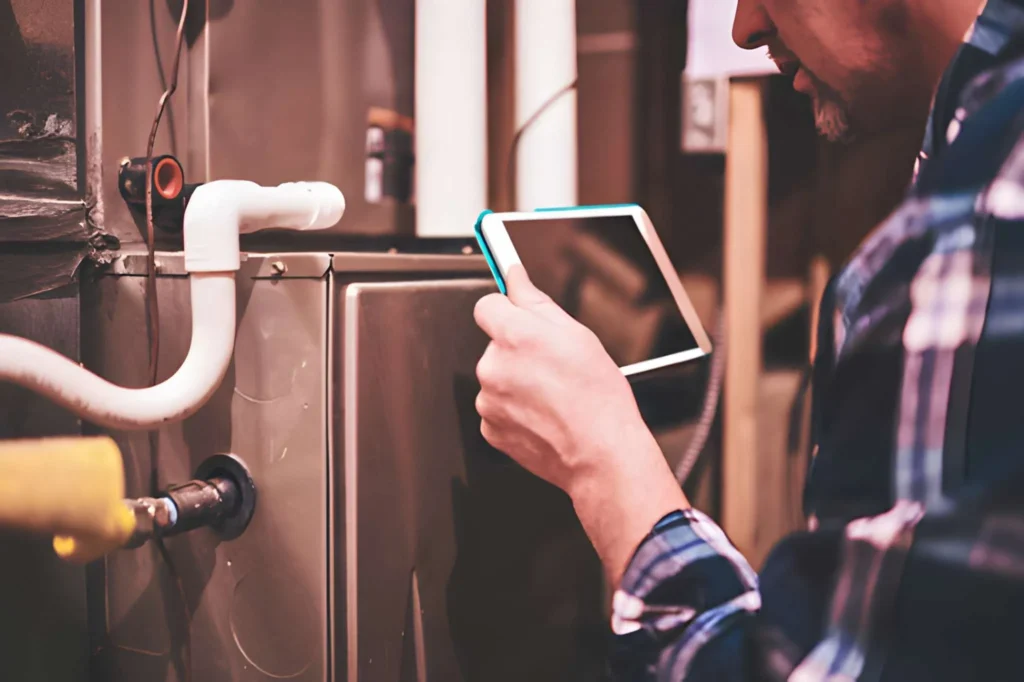
Why Won’t My Furnace Heat? Clear Troubleshooting Tips from Local Experts
When your furnace stops putting out heat, it’s more than an inconvenience — it’s disruptive and uncomfortable, especially in cold weather. Knowing the common causes helps you find the problem faster and decide whether you can fix it yourself or need a pro. Below, we walk through simple checks, common ignition issues, and the signs that mean you should call an HVAC technician. We’ll also explain how regular maintenance keeps these problems from starting in the first place.
What Basic Checks Can I Perform When My Furnace Is Not Heating?
Before calling for service, try a few straightforward checks. Many furnace issues have simple fixes that homeowners can handle safely. For more detailed assistance, consider our furnace repair services.
How Do I Verify Thermostat Settings and Functionality?
Start at the thermostat. Confirm it’s set to “Heat” and the set temperature is above the room temperature. If the thermostat uses batteries, swap them out. If it’s a programmable or smart unit, make sure the schedule or hold settings aren’t overriding heat. A mis-set or dying thermostat often looks like a furnace failure.
When Should I Inspect and Replace a Dirty Furnace Filter?
A clogged filter chokes airflow and makes your furnace work harder — sometimes to the point it won’t heat effectively or shuts down on safety controls. Check the filter visually and replace it if it’s dark or packed with dust. For most homes, changing filters every 1–3 months during the heating season is a good rule.
What Are Common Ignition Problems Causing Furnace Not to Heat?
Ignition components are a common source of no-heat calls, especially on gas furnaces. Here’s what to look for and when it’s time to call an expert.
How Can Pilot Light and Igniter Issues Affect Furnace Heating?
Gas furnaces need a lit pilot or a working electronic igniter to start burners. If the pilot is out, follow your manufacturer’s relight instructions carefully. If the igniter won’t glow or spark, the furnace won’t light — and a failed igniter typically needs a technician to replace it.
Why Does a Dirty Flame Sensor Prevent Furnace Ignition?
The flame sensor confirms the burners are lit. When it’s coated with soot or grime, the sensor can’t detect flame and will shut the system off. Cleaning the sensor often restores operation; if cleaning doesn’t help, replacement is the next step.
Why Is My Furnace Blowing Cold Air and How Can I Fix It?
Cold air from vents can mean the furnace isn’t producing heat or the heated air isn’t reaching your rooms. These causes point you toward either airflow problems or mechanical failure.
What Role Does the Blower Motor Play in Furnace Heating?
The blower moves warm air through your ductwork. If the motor or fan isn’t working properly, air circulation drops and vents may feel cold. Listen for grinding or squealing, and check that the fan runs when the furnace is on. Motor issues usually require a trained technician.
How Do Ductwork Problems Cause Cold Air from Furnace?
Leaky, disconnected, or blocked ducts can send warm air into crawlspaces instead of living areas. Inspect visible ducts for gaps, crushed sections, or insulation problems. Sealing leaks and clearing obstructions can restore even heat distribution.
Furnace Not Heating? Quick DIY Troubleshooting Tips
Some problems are best left to licensed HVAC technicians. If you see any of the warning signs below, contact a pro — and if you’re in Easton or the Mid-Shore area, our team is available to help.
What Are Warning Signs That Require Expert HVAC Technician Help?
Call for professional service if you notice any of these:
- Gas Smell: A detectable gas odor is an immediate danger. Leave the house and call your gas company or emergency services right away.
- Unusual Noises: Loud bangs, metal grinding, or persistent rattling can indicate serious mechanical problems.
- Frequent Cycling: Rapid on/off operation (short cycling) points to airflow, limit switch, or control issues that need diagnosis.
How Does Tidewater Heating & Cooling Provide Emergency Furnace Repair?
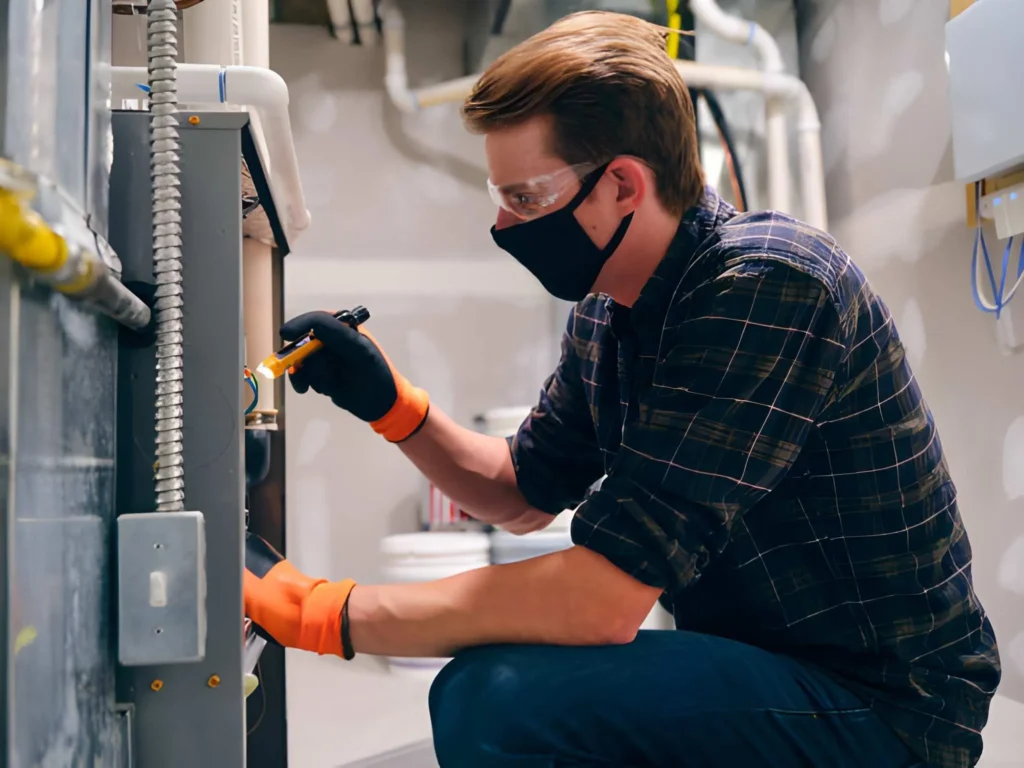
Tidewater Heating & Cooling provides emergency furnace repair across Easton, MD and the Mid-Shore. Our technicians are available around the clock to diagnose urgent faults, secure your system, and restore heat fast. We focus on clear communication and lasting repairs so your home gets comfortable quickly and safely.
How Can Regular Maintenance Prevent Furnace Not Heating Issues?
Routine maintenance catches small problems before they become breakdowns. A seasonal tune-up keeps your furnace reliable, safer, and more efficient.
What Is Included in a Furnace Maintenance Checklist for Mid-Shore Homes?
A good maintenance visit covers these essentials:
- Filter Replacement: Swap or clean filters to restore proper airflow.
- System Inspection: We check burners, heat exchangers, controls, and electrical connections for wear or damage.
- Safety Checks: Verify carbon monoxide safeguards, gas connections, and operational limits are working correctly.
How Do HVAC Maintenance Plans Improve Furnace Reliability?
Maintenance plans give you scheduled inspections, priority response, and discounted repairs — all of which reduce emergency breakdowns. Regular service extends equipment life, improves efficiency, and often lowers seasonal heating costs. You may also benefit from our hvac maintenance plan.
Research also shows that fixing operational faults and tuning system controls can yield measurable energy savings and better overall performance.
HVAC System Fault Diagnosis & Performance Optimization
Studies have shown that operational faults are one of the main reasons for the inefficient performance of these systems. It is estimated that an energy saving of 5 to 15 percent is achievable simply by fixing faults and optimizing building control systems.
Fault detection and diagnosis in building HVAC systems, 2010
Frequently Asked Questions
What Should I Do If My Furnace Is Making Strange Noises?
Strange noises — banging, rattling, or squealing — often signal a loose part, worn bearings, or debris in the blower. Turn the system off and schedule an inspection if the sounds continue. Ignoring them can lead to bigger failures.
How Can I Improve My Furnace's Energy Efficiency?
Start with regular maintenance and fresh filters. Installing a programmable thermostat, sealing duct leaks, and improving attic and wall insulation also reduce heat loss. If your furnace is older, upgrading to a more efficient model can deliver substantial savings.
What Are the Benefits of Annual Furnace Maintenance?
Annual service improves efficiency, catches safety issues, and helps avoid unexpected breakdowns. Clean components run better, warranties often require routine servicing, and scheduled maintenance can extend your system’s lifespan.
Can I Perform Furnace Repairs Myself?
Homeowners can safely handle basic tasks like replacing filters or resetting breakers. For anything involving gas components, electrical controls, or internal parts, call a licensed HVAC technician. Improper repairs risk safety and further damage.
How Often Should I Schedule Professional Inspections for My Furnace?
We recommend a professional inspection at least once a year — ideally before the heating season starts. If you notice performance drops, odd noises, or repeated cycling, schedule a check-up sooner.
What Should I Do If My Furnace Is Leaking Water?
Water can mean a clogged condensate line (on high-efficiency furnaces) or a humidifier issue. Turn off the furnace, clear visible clogs from the drain, and call a technician if the leak continues. Prompt attention prevents mold and structural damage.
Why Is My Furnace Running But Not Heating Properly?
If the furnace runs but rooms stay cold, check the thermostat, change the filter, and confirm vents are open. If those steps don’t help, the issue may be ignition-related, a failing heat exchanger, or restricted airflow — problems that need a professional diagnosis.
How Do I Reset My Furnace When It Stops Heating?
Many furnaces have a reset button or a switch near the blower. Press the reset per your owner’s manual and wait a few minutes for the system to restart. If it won’t reset or the problem returns, shut the unit off and contact a qualified technician.
Conclusion
Knowing the common reasons a furnace won’t heat helps you take fast, sensible steps to restore comfort. Start with thermostat and filter checks, watch for warning signs, and schedule regular maintenance to avoid surprises. If you need help, reach out to a local HVAC pro — prompt attention saves money and keeps your home safe all winter.